

Looking for a versatile pair of court shoes that can handle pickleball, badminton, gym training, and both indoor and outdoor courts?


Product Overview
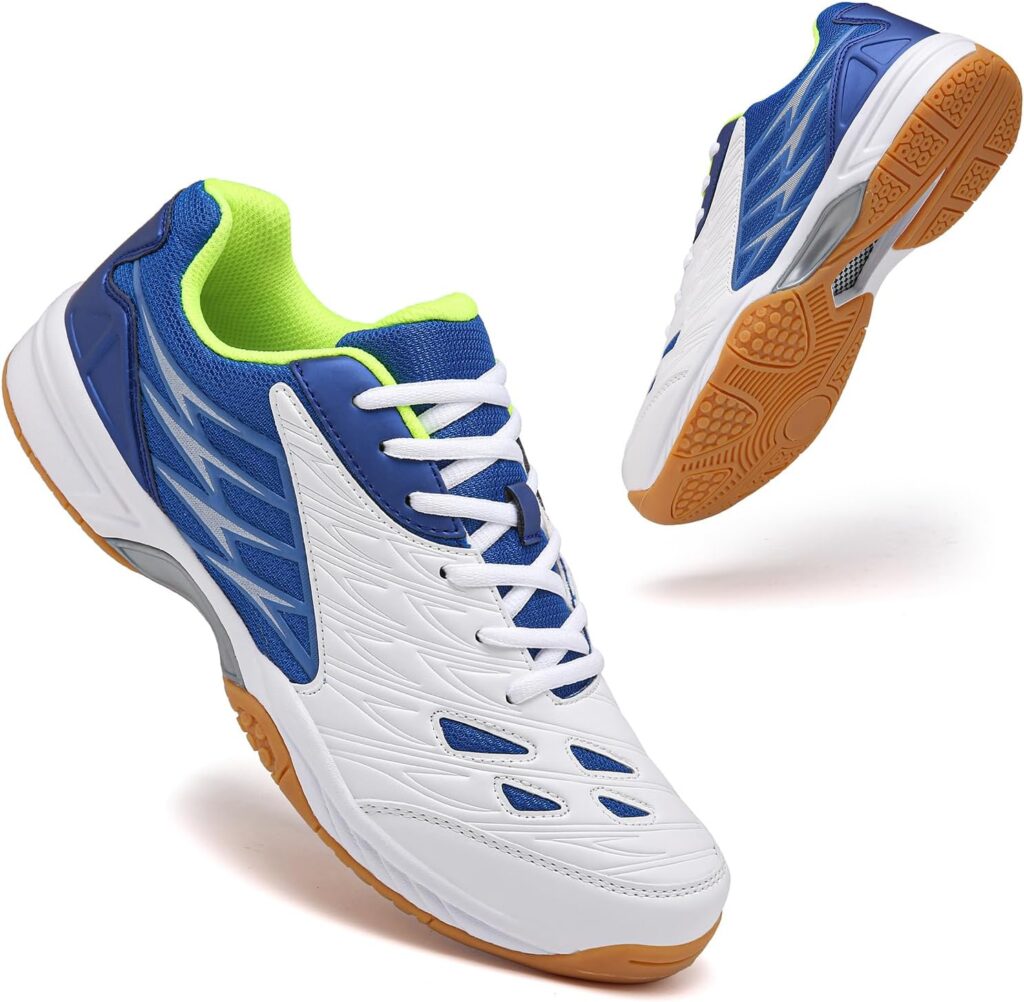
You’re considering the Tennis Shoes for Men & Women – Lightweight Pickleball & Badminton Shoes for Indoor Outdoor Courts, Gym Training | Arch Support, Non-Marking Rubber Sole Athletic Sneakers. The name already tells you these are designed to be a multipurpose athletic sneaker focused on court sports and gym work, with an emphasis on light weight, arch support, and a non-marking rubber sole. This overview explains what the shoe aims to deliver so you can see if it matches your needs.
Key Features Summary
You should know the key selling points at a glance so you can decide if this shoe fits your activities. Below is a compact breakdown of the core features you’ll care about.
| Feature | What it means for you |
|---|---|
| Lightweight construction | Easier quick movements, less fatigue during long rallies or training sessions. |
| Arch support | Better foot alignment and comfort for people with neutral to medium arches. |
| Non-marking rubber sole | Safe for indoor courts and gym floors without leaving scuffs or marks. |
| Multi-surface use | Designed for indoor courts like gymnasiums and outdoor courts with moderate surface grip. |
| Breathable upper | Keeps your feet cooler and reduces sweat build-up during play. |
| Cushioning system | Provides impact protection for repeated stops, starts, and lateral shifts. |
| Unisex sizing | Available for both men and women; check the size chart for the best fit. |
You’ll find this table useful when comparing the shoe to other options, and it helps you focus on practical benefits rather than marketing phrases.

Design and Build Quality
You’ll notice that design matters because it affects durability and comfort during play. The shoes are typically built with a mix of synthetic mesh and reinforced overlays to balance breathability with structure, and the outsole is molded rubber designed for traction.
Pay attention to the seam quality, glue lines, and stitching when you first inspect the pair. Good construction reduces hot spots and the risk of early separation, especially if you use the shoes regularly for court sports.
Upper Construction and Materials
You should expect a breathable mesh upper with synthetic overlays around the toe and midfoot area for added protection. The mesh is there to keep airflow moving around your foot, while the overlays provide abrasion resistance in high-wear zones.
If you’re someone who slides into quick lateral moves, reinforced toe and side panels matter. These elements help the shoe hold up to the scrapes and scuffs that come with sudden pivots and stops.
Midsole and Cushioning Materials
You’ll encounter foam midsoles that aim to balance responsiveness with shock absorption. Common midsole materials include EVA or similar proprietary foams that compress under impact and return some energy to your stride.
What you want to watch for is the density and layering: too soft and you’ll bottom out during explosive movements; too firm and you’ll feel every impact. A mid-level foam density usually gives the best compromise for court shoes.
Outsole Rubber Compound
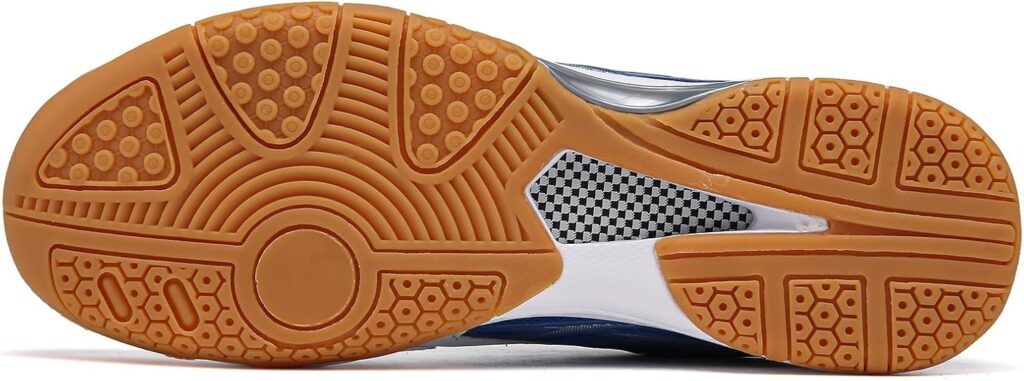
You’ll find a non-marking rubber compound on the outsole meant to protect indoor surfaces while delivering grip. The rubber should be durable enough for outdoor courts as well, but very rough asphalt will wear it faster.
Look at the tread pattern: herringbone or multidirectional lugs offer reliable traction for sports like pickleball and badminton where lateral and quick forward-backward motion is frequent.
Comfort and Fit
You want a shoe that feels right from the first try, with enough room for your toes and reliable heel hold. These shoes are marketed to be comfortable and supportive, which should translate to a secure fit and padding where it counts.
Trying them on with the socks you’ll wear during play gives you the best sense of fit and any tight or loose spots. If possible, test a pair with some lateral movement to see how the shoe clamps down on your foot.
Sizing and Width Considerations
You should check the brand’s size chart carefully because unisex sizing can sometimes run differently than gender-specific models. If you usually fall between sizes, consider sizing up for court shoes to allow for toe expansion and prevent cramped toes during intense play.
If you have wide feet, look for versions or brands that explicitly offer wide options. A too-narrow shoe will create pressure points and blisters, while a too-wide shoe sacrifices stability.
Sockliner and Heel Fit
You’ll typically find a removable sockliner for added cushioning and the option to insert a custom orthotic. The heel area should be snug without pinching to prevent slippage during quick starts and stops.
Make sure the heel cup provides firm support; a sloppy heel will lead to instability during sudden lateral moves and can increase injury risk.
Arch Support and Stability
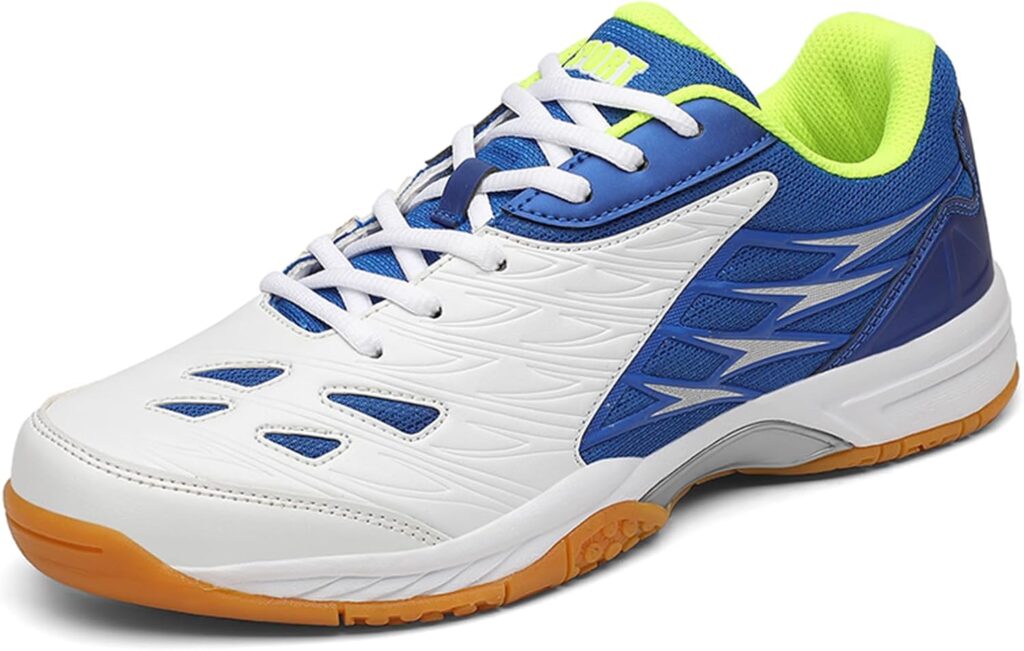
You want arch support that matches your foot’s needs, whether you’re neutral, underpronating, or overpronating. These shoes advertise arch support, which usually means a contoured footbed that helps maintain alignment for many users.
If you have high arches or severe pronation issues, you may still need a custom orthotic. However, for medium-arch or neutral feet, the built-in arch support should help you feel more secure during court movements.
Stability Features for Lateral Movement
You’ll appreciate stability features like a wide midsole base and supportive overlays that prevent the shoe from twisting during lateral moves. A low-to-the-ground profile also contributes to better court feel and reduced ankle roll.
If you’re doing cross-training or quick direction changes, these stability elements are essential. They give you the confidence to push off hard without worrying about your foot shifting inside the shoe.
Traction and Sole Performance
You’ll rely on the sole’s grip to make the split-second cuts that define court play. The non-marking rubber sole is intended to provide traction on indoor wood or synthetic courts while not leaving scuffs, which is a must for community centers and gymnasiums.
Outdoor performance is generally decent but depends on the court surface. While these soles handle outdoor pickleball courts well, extremely rough or abrasive surfaces will accelerate wear, so reserve them primarily for smoother outdoor courts when possible.
Indoor Court Behavior
You’ll find the outsole pattern and rubber compound are optimized to grab gym floors without being overly sticky. This balance helps you pivot and change direction reliably while avoiding sudden loss of traction that can cause injuries.
If you play on wooden floors, the non-marking quality is particularly useful because not all shoes are allowed on those surfaces. Make sure the sole is clean and debris-free before entering the court to maintain optimal grip.
Outdoor Court Behavior
You’ll find the shoe still performs well on outdoor courts designed for tennis or pickleball, but the rubber compound may wear faster on concrete or asphalt. Outdoor courts with textured surfaces will reduce the shoe’s lifespan compared to softer or smoother courts.
If you plan to play outdoors frequently on rough surfaces, consider rotating a dedicated outdoor shoe to extend the life of this pair.
Cushioning and Impact Protection
You’ll want cushioning that protects your joints without making the shoe feel mushy. These shoes typically feature a midsole foam that delivers a balance of shock absorption and court feel to reduce fatigue during long sessions.
Cushioning is especially important if you’re combining court play with gym training or running short sprints during warm-ups. Adequate impact protection helps prevent soreness in your knees and feet after intense workouts.
Heel and Forefoot Cushioning
You’ll notice a slightly cushioned heel to soften footstrike and a responsive forefoot for quick toe-offs. This combination supports the stop-and-go nature of court sports where both shock absorption and quick reaction matter.
A well-designed cushioning system will reduce foot fatigue without diminishing your ability to sense the court, which is vital for agility and timing.
Responsiveness During Play
You’ll appreciate when the shoe offers a balance between cushion and responsiveness so you can push off quickly. If the midsole returns energy efficiently, you’ll feel less sluggish and more agile across repeated movements.
The ideal setup is responsive enough to support quick sprints and stable enough to protect your joints during repetitive impacts.
Breathability and Temperature Control
You’ll benefit from a breathable upper if you play in warm gyms or during summer outdoor sessions. Mesh panels and ventilation channels help heat escape and keep perspiration from building up inside the shoe.
If you often sweat heavily, consider moisture-wicking socks to complement the shoe’s ventilation. Breathable shoes reduce the likelihood of blisters and unpleasant odors over time.
Seasonal Comfort
You’ll find that these shoes are comfortable year-round in temperate climates, but in very cold conditions the mesh upper won’t provide much insulation. For winter training outdoors, you may prefer a slightly more insulated model, while these will excel in spring and summer.
If you expect to play in rainy conditions, remember that mesh uppers dry faster but will let more water in compared to water-resistant shoes.
Weight and Agility
You’ll notice that being lightweight is a major selling point for court shoes because it reduces leg fatigue. These shoes are described as lightweight, so you should expect better agility and faster footwork compared to heavier cross-trainers.
Lightweight shoes often improve your reaction times on court, letting you reach shots more easily and sustain a faster pace during matches.
Trade-offs of Lightweight Construction
You’ll sometimes see trade-offs where extreme lightness sacrifices long-term durability or heavy-duty cushioning. These shoes aim to balance parity between being light and providing enough structure for court usage.
If you demand heavy-duty durability for daily outdoor use on rough surfaces, you might consider a slightly heavier, more rugged model. For most players, the added speed and comfort are worth it.
Durability and Wear
You’ll want a shoe that lasts through dozens of sessions without falling apart. Durability depends on factors like outsole thickness, upper reinforcements, and overall construction quality, which should be considered if you play frequently.
Rotate your shoes when possible to extend their service life, and avoid using court shoes exclusively on abrasive surfaces. Proper care and rotation will help you get the most out of them.
High-Wear Areas
You’ll see the most wear at the toe, outer edges, and the heel. Reinforced materials in these areas help, but repeated abrasion from outdoor courts or frequent sliding can still shorten the shoe’s useful life.
If you notice significant outsole wear or midsole compression, it’s time to replace the shoes to maintain performance and reduce injury risk.
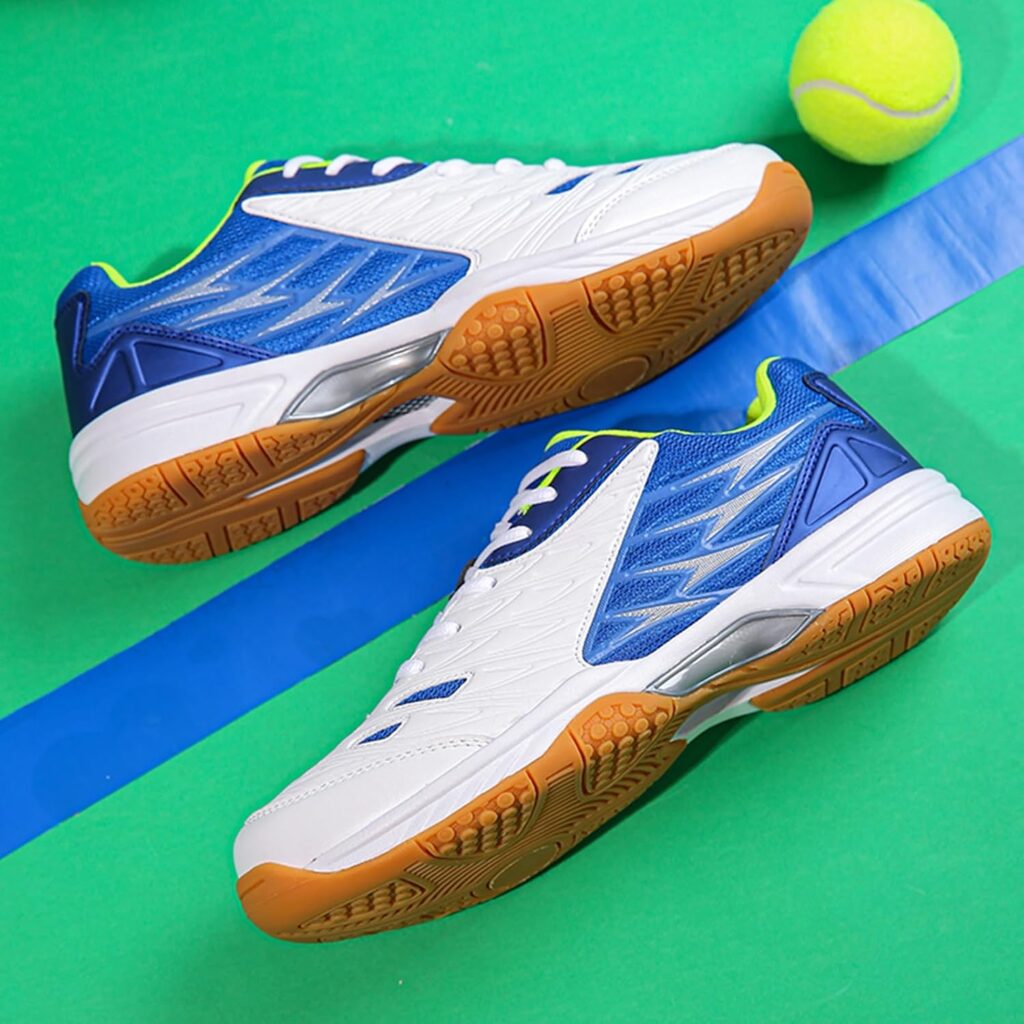
Aesthetics and Style
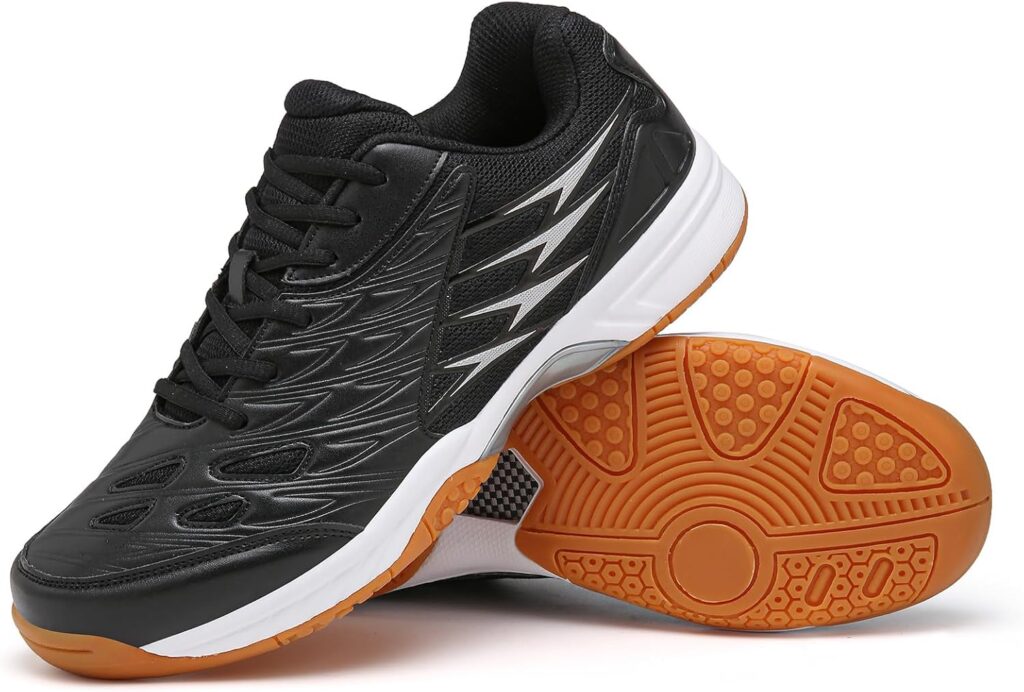
You’ll find that these shoes come in several colorways to suit both men and women. Style matters to many players, and a sleek, athletic look that transitions from court to gym is always a plus.
If aesthetics are important, look for colorways and design lines that match your personal taste and gym attire. The right shoe should make you feel confident as well as perform well.
Color Options and Personalization
You’ll occasionally find bright and neutral options, allowing you to pick a shoe that stands out or blends in. Personal preference plays a big role, and some people prefer bold colors to help them spot their shoes easily in shared locker spaces.
Customization options are rare on mass-market pairs, but removable insoles let you personalize comfort even if you can’t change the shoe look.
Care and Maintenance
You’ll want to keep your shoes clean and dry to maintain performance and extend lifespan. Regular cleaning, airing out after use, and avoiding machine washing are standard practices that protect materials and glue joints.
Use a soft brush to remove dirt from the outsole and a damp cloth to wipe the upper. If you need deeper cleaning, hand wash with mild soap and air dry away from direct heat.
Storage and Drying Tips
You’ll get better longevity by storing the shoes in a cool, dry place and avoiding prolonged exposure to sunlight. If they get wet, dry them with paper towels stuffed inside to absorb moisture and help retain shape.
Avoid using high heat (like a clothes dryer) as it can warp midsoles and weaken adhesives, shortening the shoe’s lifespan.
Comparison with Similar Shoes
You’ll find several competitors in the market that offer multipurpose court shoes with non-marking soles and arch support. Compared to niche tennis or badminton-specific models, these shoes prioritize versatility across courts and gym use.
When choosing among options, compare sole patterns, midsole technology, and upper durability. Some rivals may focus more heavily on cushioning or offer specialized outsoles for singular sports, so pick based on the activities you do most.
Where This Shoe Stands Out
You’ll likely appreciate the all-around balance this shoe offers—lightweight, supportive, and multipurpose. If your activities vary between pickleball, badminton, and cross-training, this shoe is positioned to satisfy those needs without forcing you to buy separate pairs.
If you prioritize one sport exclusively, however, a sport-specific shoe might give better long-term results for extreme players.
Who Should Buy This Shoe
You should consider these shoes if you play multiple court sports, do gym training, or need a non-marking option for indoor play. They’re ideal for recreational players who value comfort, breathability, and versatility over highly specialized performance features.
If you’re a competitive or professional player with very specific biomechanical needs, you might want a shoe tailored to that sport. For most casual and intermediate players, these shoes are a practical, cost-effective choice.
Recommended User Profiles
You’ll find these shoes suitable if you:
- Play pickleball or badminton recreationally or at an intermediate level.
- Need a comfortable gym shoe for cardio and lateral movement.
- Prefer a shoe that works indoors and outdoors for occasional use.
- Want a lightweight option with decent arch support and non-marking soles.
You should not expect elite-level performance for professional competition, but for everyday play and training they’re well-suited.
Sizing Guide and Buying Tips
You’ll get the best fit by measuring your foot and checking the brand’s size chart. Measure your foot at the end of the day when it’s most swollen and wear the socks you plan to use during play.
If you’re between sizes, go up a half size for court shoes to avoid toe jamming. Also consider your foot width and whether you need a wider fit; some brands provide wide options which can be a better fit for comfort and stability.
Try-Before-You-Commit Tips
You’ll want to test the shoes with some lateral movement in-store or during a trial period if the seller allows returns. Walk, jog, and perform side-to-side movements to sense any slipping or pressure points that could cause issues on court.
If the shoes feel uncomfortable after 20–30 minutes of active use, consider exchanging for another size or model before regular play. It’s better to adjust size early than to risk blisters and instability.
Pros and Cons
You’ll appreciate a clear list of advantages and caveats before making a decision. Below is a straightforward summary to help you weigh whether this shoe matches your needs.
Pros:
- Lightweight design improves agility and reduces fatigue.
- Non-marking rubber sole suitable for indoor gym floors.
- Arch support provides better comfort for neutral and medium arches.
- Breathable upper keeps feet cooler during play.
- Versatile for court sports and gym training.
Cons:
- Outsole may wear faster on very rough outdoor surfaces.
- May not be ideal for players needing extreme orthotic support.
- Very high-level competitive players might prefer sport-specific models.
- Sizing can vary—check the chart and try them on where possible.
You’ll find that the pros align with the needs of most recreational and cross-training athletes, and the cons are manageable for many users with appropriate care and selection.
Frequently Asked Questions
You’ll likely have a few common questions when considering these shoes. The answers below address sizing, suitability for various sports, and maintenance.
Q: Are these shoes suitable for outdoor pickleball every day? A: You can use them outdoors, but frequent play on rough surfaces may accelerate wear. Consider rotating with an outdoor-specific shoe if you play daily on abrasive courts.
Q: Can I use these for running? A: Short runs and sprints are fine, but they’re not designed as dedicated running shoes. For long-distance runs, a running-specific shoe will give better cushioning and durability.
Q: Do they support custom orthotics? A: Many pairs come with removable insoles, allowing you to insert custom orthotics. Verify the removable liner feature in the product listing before purchasing.
Q: How do I clean them? A: Spot clean with mild soap and water, brush off the outsole, and air dry away from direct heat. Avoid machine washing to preserve adhesives and foam integrity.
You’ll find these answers helpful when making a purchase decision or caring for your shoes after you bring them home.
Final Verdict
You should consider the Tennis Shoes for Men & Women – Lightweight Pickleball & Badminton Shoes for Indoor Outdoor Courts, Gym Training | Arch Support, Non-Marking Rubber Sole Athletic Sneakers if you want a versatile, lightweight option for casual to intermediate court play and gym workouts. The balance of breathable materials, supportive midsole, and non-marking outsole makes them a practical choice for mixed-activity athletes.
If you need highly specialized performance for elite competition or play daily on very rough outdoor courts, you might explore more specific alternatives. For most players seeking comfort, support, and versatility in one affordable package, this shoe is a strong contender.
Buying Checklist
You’ll make a smarter purchase if you go through a short checklist before ordering or trying these shoes. This helps avoid surprises and ensures the shoe aligns with your goals.
- Check the size chart and measure your foot.
- Read the return policy or trial period conditions.
- Consider your primary surface (indoor vs. outdoor) and frequency of use.
- Confirm removable insoles if you need orthotics.
- Inspect materials and construction if buying in person.
You’ll reduce the likelihood of needing to exchange or return the shoes by following these steps, making your shopping experience smoother.
Closing Notes
You’ve now got a thorough review that covers construction, fit, performance, and maintenance for the Tennis Shoes for Men & Women – Lightweight Pickleball & Badminton Shoes for Indoor Outdoor Courts, Gym Training | Arch Support, Non-Marking Rubber Sole Athletic Sneakers. Use the feature table and checklist to compare with other models, and remember that fit and comfort are the most important factors—try before committing where possible.

Disclosure: As an Amazon Associate, I earn from qualifying purchases.